Moist air escapes.
Showers and cooking add moisture indoors. Leaking exhaust connections and ceiling air leaks can carry that moisture into the roof space.
BUILT TO BREATHE. BUILT TO PROTECT.
See fresh air enter through the soffits, move through the attic and leave through the rear roof vents—with bathroom exhaust kept separate.
Fresh air enters through the soffits and baffles, then leaves through the rear roof vents. A separate insulated bathroom duct exhausts directly outdoors.
Home/Ventilation & Exhaust Ducts
VENTILATION & EXHAUST DUCTS
Bathroom fan duct repairs, kitchen range-hood venting and attic air sealing. A connected approach to heat loss, winter condensation and the roof above.

WINTER MOISTURE, EXPLAINED
A disconnected exhaust hose or a gap through the ceiling can carry warm, moisture-laden air into a cold attic.
Showers and cooking add moisture indoors. Leaking exhaust connections and ceiling air leaks can carry that moisture into the roof space.
When moist air reaches cold roof sheathing or other cold surfaces, water can collect. In freezing conditions, it can build up as frost.
As temperatures rise, accumulated frost can melt and drip onto insulation or ceilings. Homeowners often call this “attic rain.”
Repeated wetting can damage materials and support mould (mold) growth. We assess the moisture source, exhaust route and attic conditions before proposing corrections.
WHAT AIRWAY DOES
We look at the connections from the room below to the outlet above, then explain the proposed work in a written scope.
Review damaged, disconnected or restricted hoses and plan a supported duct route to a suitable outdoor outlet. Exhaust air needs a complete path from the fan to the exterior.
Plan suitable metal ducting, sizing and an exterior termination matched to the hood’s installation requirements. The kitchen exhaust route deserves its own assessment.
Connect the exhaust duct to the correct collars, secure the joints and seal them with compatible materials to limit moist air escaping into the attic.
Maintain appropriate insulation and jacket continuity around exhaust runs in the cold attic to reduce cooling and condensation within the duct.
Address accessible leakage paths at ceiling penetrations, permitted fan-housing perimeters and attic hatch edges, using suitable materials and preserving required clearances. This helps reduce heat and moisture loss into the attic.
Review roof vents, soffit intake paths and baffles as part of the same system. Air sealing at the ceiling and clear attic ventilation work together.
ON SITE WITH AIRWAY
A closer look at bathroom exhaust connections, insulated ducting and roof-side installation details.
View the ventilation gallery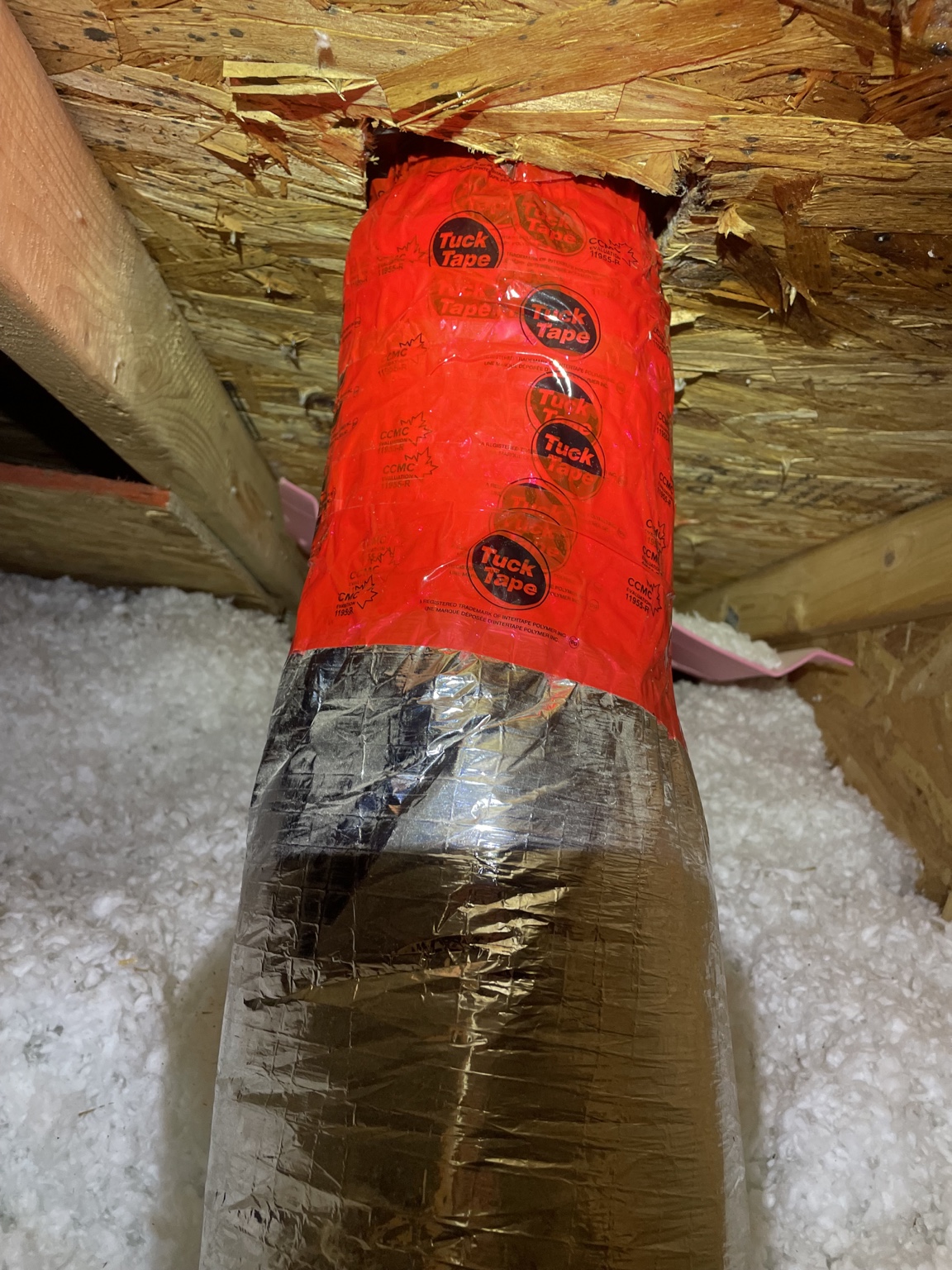
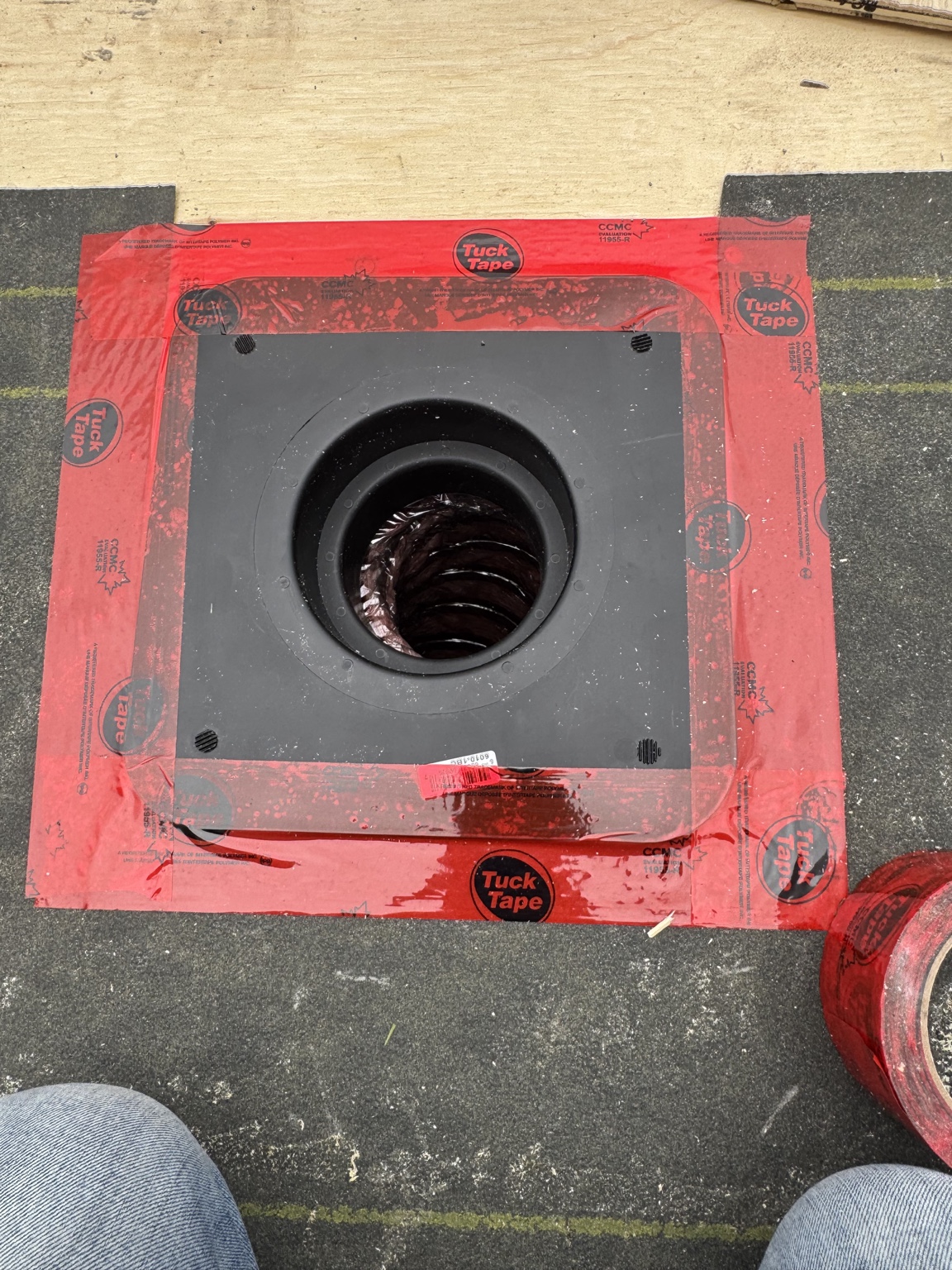
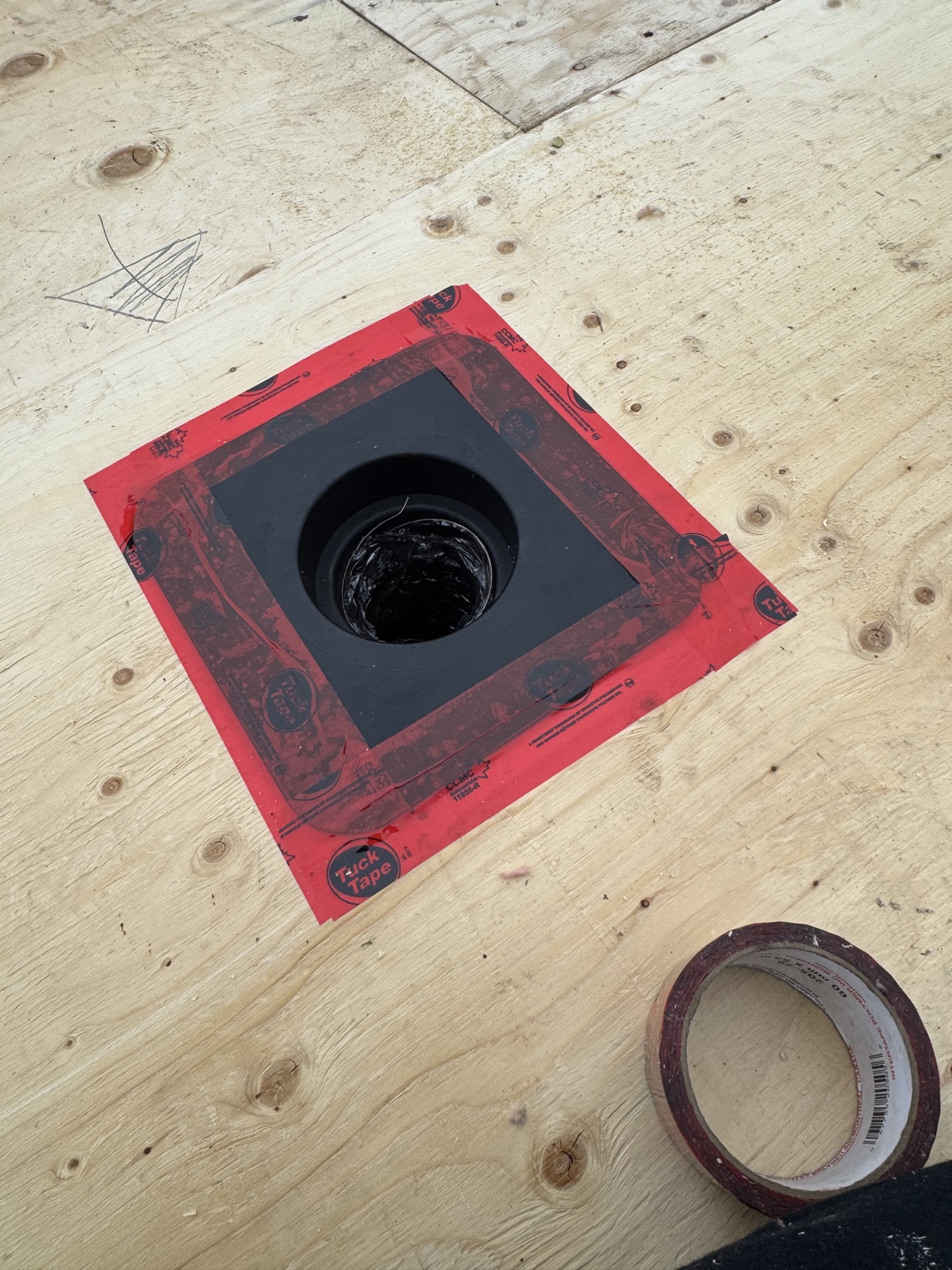
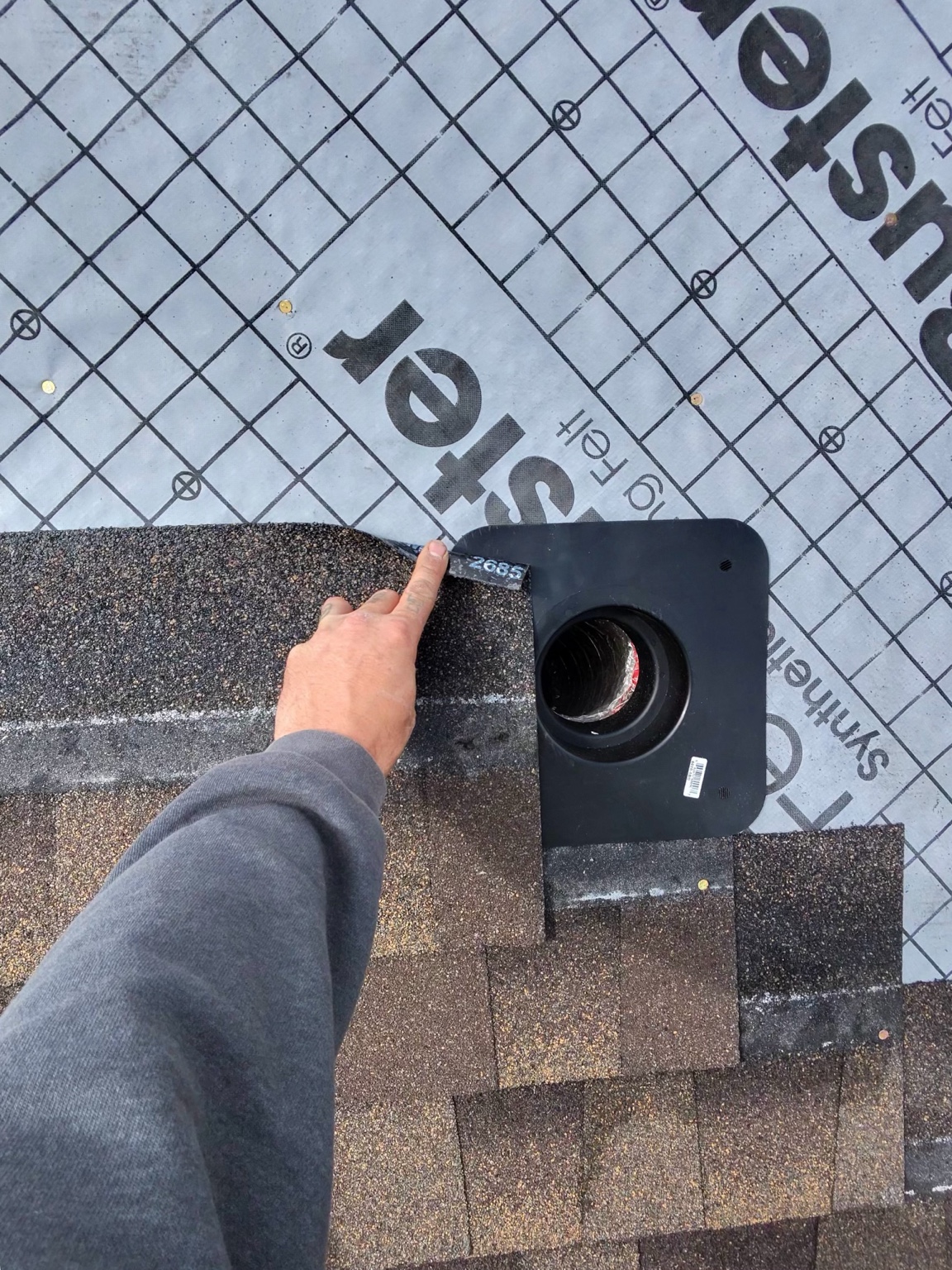
These job photos show bathroom exhaust work. Kitchen range-hood duct materials and sizing are selected for the appliance and its installation requirements.
THE OUTSIDE CONNECTION
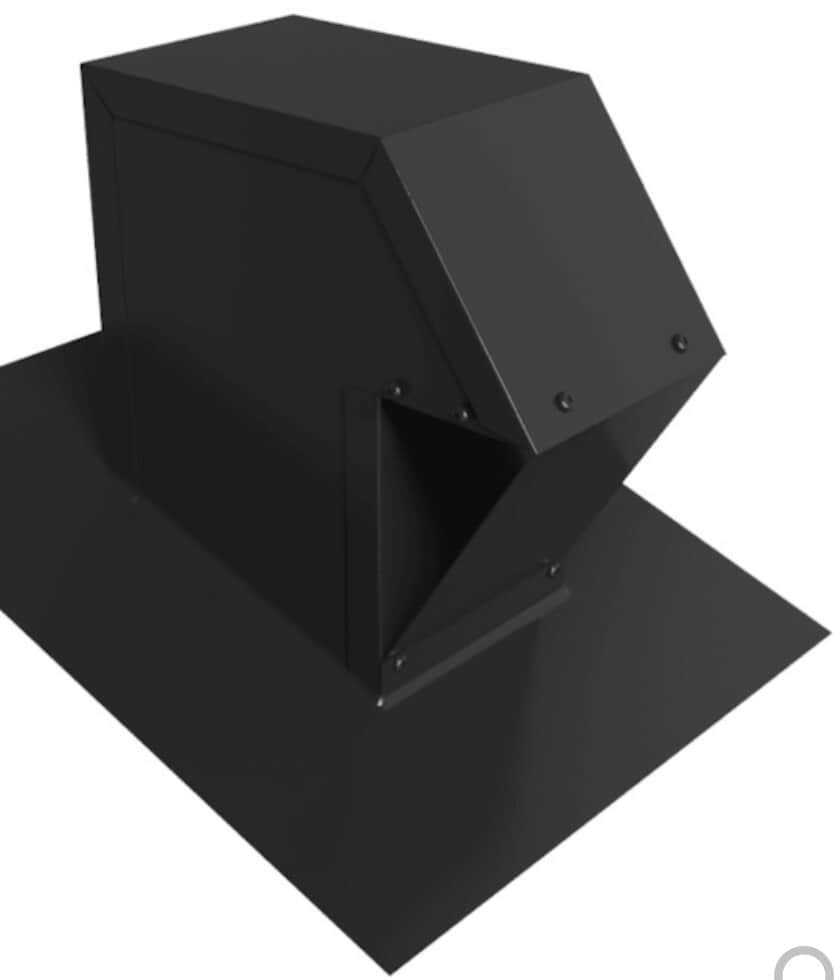
A roof outlet needs a secure duct connection below and weather protection above.
We coordinate the roof opening, outlet base, underlayment and surrounding shingles with the selected product’s installation instructions. The outlet, duct connection and roof covering are considered together.
COMMON QUESTIONS
Moist exhaust can cool and condense inside a cold duct, with water collecting or running back. A roof leak can produce similar symptoms, so the source needs to be checked.
Vents help the attic dry, but air leaks and exhaust escaping into the roof space still need correction. We assess those moisture sources alongside the ventilation.
A recirculating hood returns filtered air to the kitchen. Removing that moisture outdoors requires a suitable ducted exhaust arrangement matched to the hood.
The affected area and moisture source need assessment. Exhaust and air-sealing corrections address contributing conditions; existing contamination or damaged materials may also need separate remediation or replacement.
THE FULL ROOF SYSTEM
Roofing, ventilation and the attic insulation below work together. For dedicated attic insulation and top-ups, visit our separate company, Airway Insulation .
YOUR NEXT STEP
Tell us about fan drips, attic frost, damp insulation or a duct connection you want checked. Share the property address and any photos you have.